Frequently Asked Questions
This environmental consulting FAQ page answers the questions clients ask most often before partnering with SEMS, Inc. Founded in 1992, SEMS is a regional environmental management firm with national reach, providing environmental consulting, remediation, industrial hygiene, industrial services, demolition, and specialty services across the Gulf Coast, including Texas, Louisiana, Mississippi, and Tennessee. Use this environmental consulting FAQ to learn how our multidisciplinary team supports property transactions, regulatory compliance, and long-term risk management.
Environmental Consulting FAQ: SEMS, Inc. Overview
What Is Environmental Consulting and What Does SEMS, Inc. Do?
Environmental consulting involves identifying, assessing, and managing environmental risks and regulatory obligations for businesses, property owners, and government agencies. SEMS, Inc. delivers these services through a team of nearly 100 environmental engineers, geologists, hydrogeologists, and scientists. Core service lines include:
- Environmental Consulting: Phase I and Phase II ESAs, groundwater monitoring, permitting, and compliance
- Remediation: Contaminated soil and groundwater treatment, landfill closure, PFAS remediation, and UST services
- Industrial Hygiene: Hazard identification, asbestos and lead assessments, and occupational exposure monitoring
- Industrial Services: Tank cleaning, hydro-blasting, vacuum truck services, and confined space entry
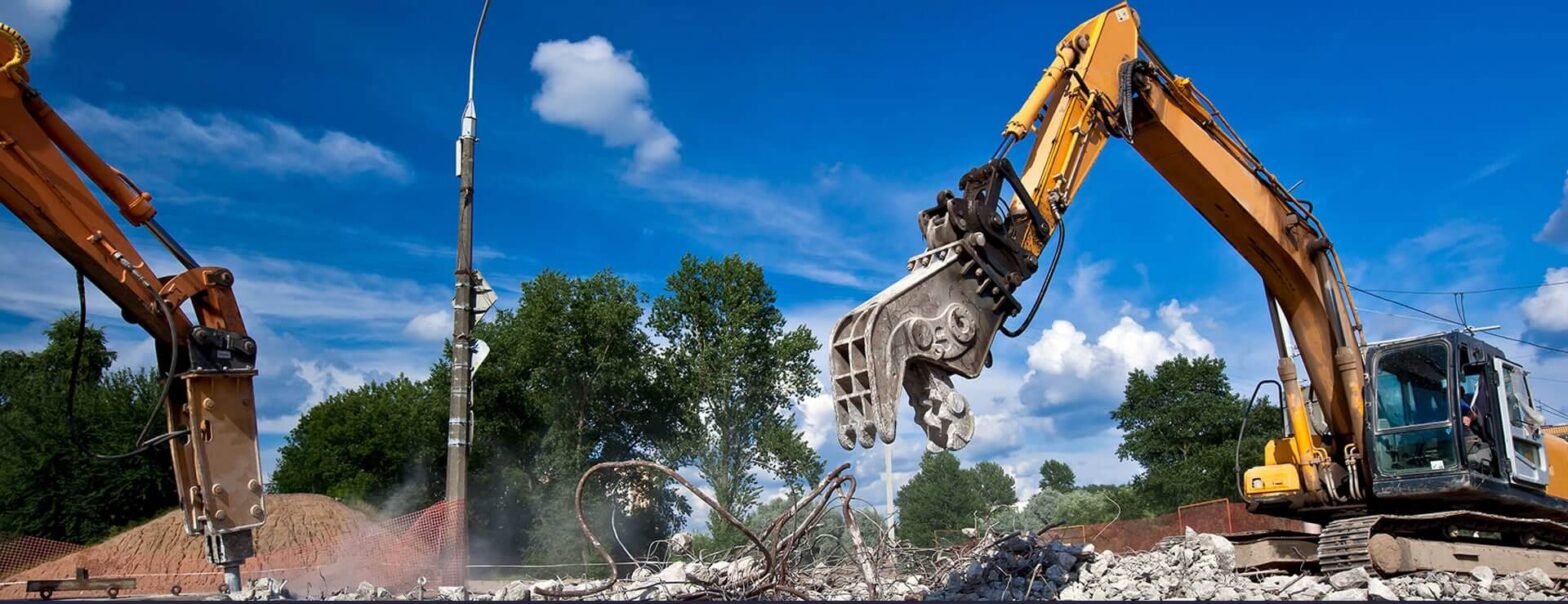
- Demolition: Industrial and commercial decommissioning, structural demolition, and asset recovery
- Specialty Services: Emergency spill response, video pipe inspection, and underground storage tank management
SEMS maintains professional licenses in more than 20 states and holds Certificates of Authority to practice in many of those same states.
Why Should I Choose SEMS Over Other Environmental Consulting Firms?
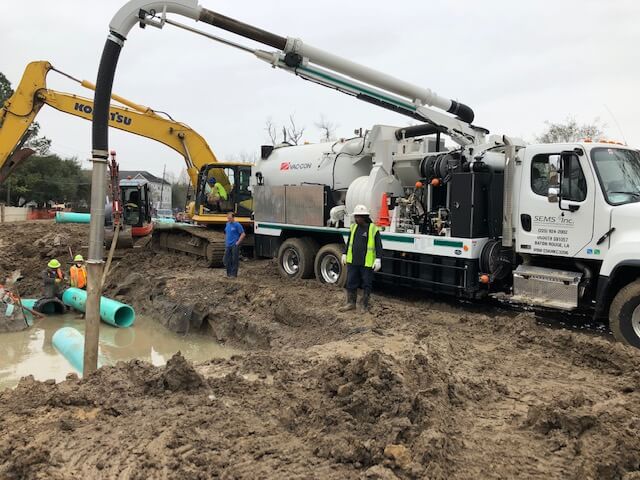
SEMS combines more than 30 years of field experience, a multidisciplinary team of nearly 100 professionals, and a turnkey service model that takes a project from initial assessment through remediation completion. Three reasons clients choose SEMS:
- Turnkey capabilities: Consulting, remediation, industrial hygiene, industrial services, demolition, and specialty services all fall under one contract, eliminating coordination gaps between multiple vendors.
- Proven safety record: SEMS maintains a superior safety record built on rigorous pre-project planning, OSHA-compliant crew training, and a company-wide safety-first culture.
- Regulatory expertise: With licenses in more than 20 states and deep familiarity with Gulf Coast regulatory frameworks, SEMS navigates complex permitting and compliance requirements efficiently.
If your question isn’t covered on this environmental consulting FAQ page, contact SEMS directly to speak with a qualified environmental professional.
Phase I and Phase II Environmental Site Assessments
What Is a Phase I Environmental Site Assessment and When Do I Need One?
A Phase I Environmental Site Assessment (ESA) is a standardized investigation of a property’s history and current conditions to identify Recognized Environmental Conditions (RECs), meaning any indication that hazardous substances or petroleum products may have been released on or near the site. It does not involve soil or water sampling.
Phase I ESAs follow ASTM Standard E1527-21 and typically include four components:
- Records review: Historical aerial photography, maps, regulatory databases, and prior reports
- Site reconnaissance: A visual inspection of the property and surrounding area
- Interviews: Conversations with current and former owners, operators, and occupants
- Report preparation: A written summary of findings, conclusions, and recommendations
You’ll need a Phase I ESA if you’re buying or financing commercial or industrial property, seeking a development permit, or looking to establish liability protections under federal Superfund law. Lenders, developers, and real estate investors typically require one before any transaction closes.
What Is the Difference Between a Phase I ESA and a Phase II ESA?
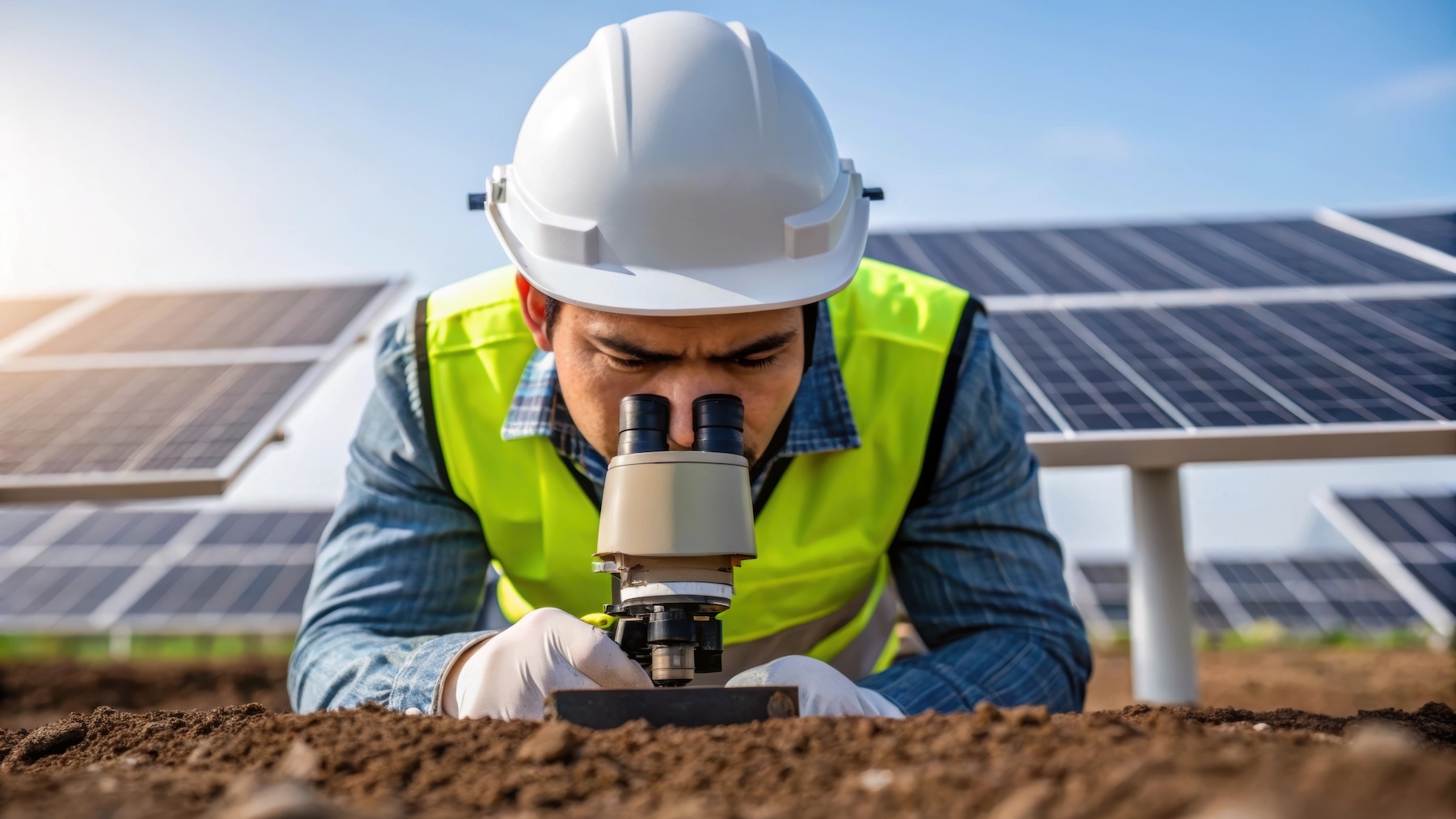
A Phase I ESA identifies potential environmental concerns through records review and visual inspection. A Phase II ESA is the follow-up investigation that collects physical samples, specifically soil, groundwater, or soil vapor, to confirm whether contamination is present and to what extent. Phase II work is only triggered when a Phase I identifies one or more RECs.
During a Phase II ESA, SEMS typically:
- Collects soil borings and groundwater samples guided by hydrogeological evaluations
- Conducts laboratory analysis for contaminants identified in the Phase I report
- Performs geophysical surveys to trace subsurface contamination sources
- Develops a data-driven risk assessment and recommends next steps, which may include remediation
Phase II ESAs are essential for industrial site owners concerned about environmental liability, buyers of flagged properties, and parties initiating cleanup to meet regulatory requirements.
The SEMS Environmental Consulting Process
How Does the Environmental Consulting Process Work at SEMS?
The environmental consulting process at SEMS begins with understanding your project’s specific regulatory, operational, and timeline requirements. From there, SEMS assigns a qualified project team, conducts the necessary field investigations or assessments, and delivers actionable reporting and compliance guidance. The goal at every stage is to move your project toward closure efficiently and cost-effectively.
Depending on scope, the process may involve:
- Initial consultation: Defining project goals, applicable regulations, and deliverables
- Field investigation or assessment: Site visits, sampling, permitting applications, or compliance audits
- Laboratory analysis and data review: Interpretation of results against applicable standards
- Reporting and recommendations: Clear, precise documentation submitted to regulators or clients
- Ongoing operations and maintenance: Long-term monitoring, system O&M, or compliance management as needed
SEMS manages projects across a broad range of complexity, from straightforward Phase I ESAs to multi-year remediation programs involving contaminated groundwater treatment systems.
Groundwater Monitoring
What Is Groundwater Monitoring and Why Does My Site Need It?
Groundwater monitoring is the systematic collection and analysis of water samples from monitoring wells installed at or near a site to track the presence, concentration, and movement of contaminants in subsurface water. Regulators often require it following a release of hazardous substances, petroleum products, or industrial chemicals.
SEMS manages groundwater monitoring programs that include:
- Well installation and development: Proper placement based on site hydrogeology
- Routine sampling: Collection of representative groundwater samples at scheduled intervals
- Laboratory analysis: Testing for target contaminants based on site history and regulatory requirements
- Reporting: Preparation of monitoring reports for regulatory agencies, including Discharge Monitoring Reports (DMRs)
- RECAP assessments: Louisiana-specific risk evaluation and corrective action planning for impacted sites
If your site has a known or suspected release history, an active remediation system, or a regulatory requirement tied to a closure plan, ongoing groundwater monitoring is typically non-negotiable.
Underground Storage Tank (UST) Services
What Are Underground Storage Tank Services and When Does My Business Need Them?
Underground storage tank (UST) services cover the full lifecycle of managing buried tanks that store petroleum or hazardous substances, from compliance management and monthly monitoring to full removal, site assessment, and remediation. Federal and state regulations govern USTs tightly, and non-compliance can result in significant penalties and liability exposure.
SEMS provides comprehensive UST services, including:
- UST removals and closure assessments
- UST compliance audits and monthly compliance management
- Soil and groundwater assessments following suspected or confirmed releases
- Soil and groundwater remediation at UST release sites
- Risk assessments and regulatory reporting
- Emergency response for active releases
- Trust Fund Program application and administration
Your business needs UST services if you operate or plan to decommission an underground tank, have received a regulatory notice of violation, or are purchasing property with a known or suspected UST history. Early engagement with a qualified environmental consultant can reduce cleanup costs and accelerate regulatory closure.
Solid and Hazardous Waste Permitting
What Does Solid and Hazardous Waste Permitting Involve?
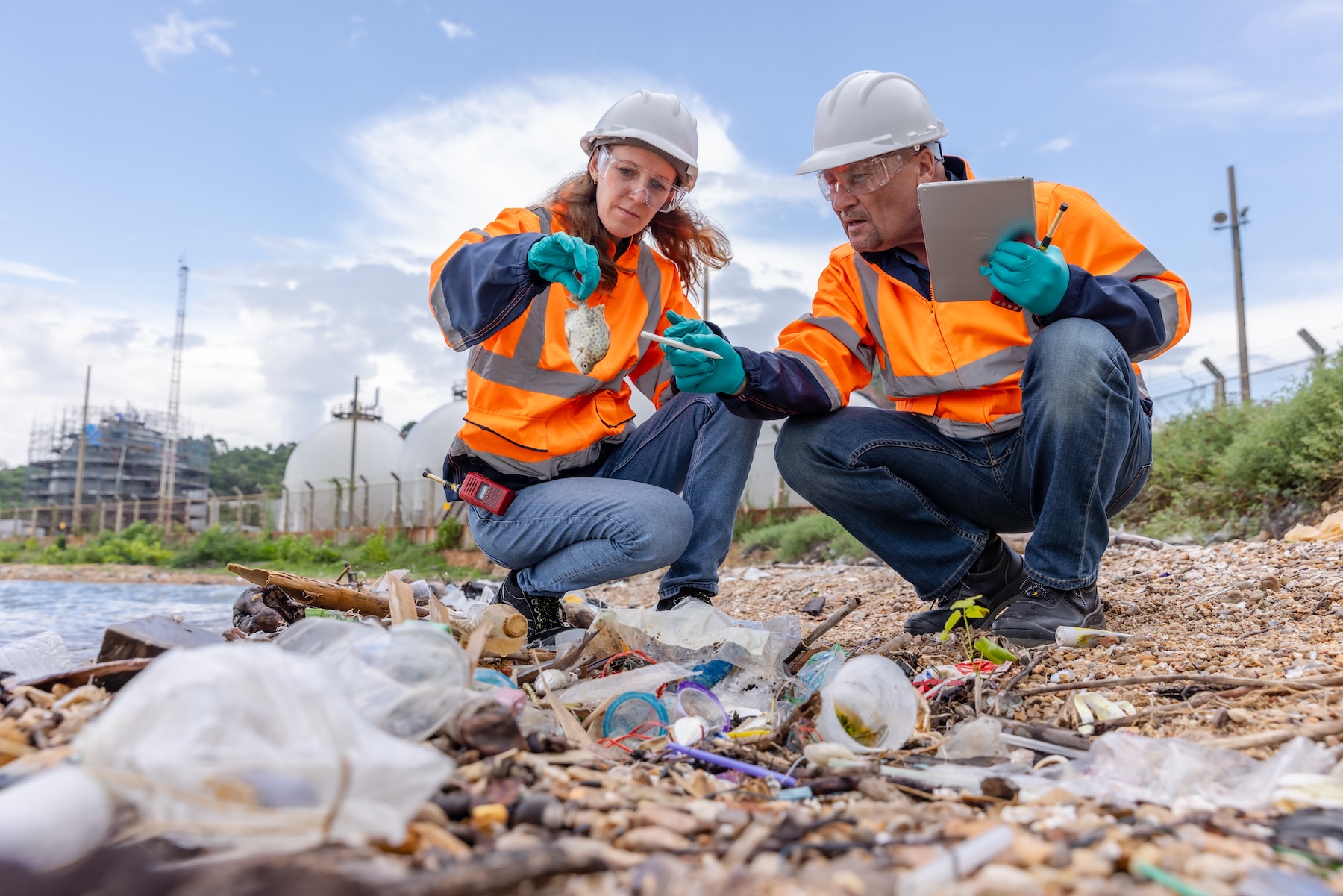
Solid and hazardous waste permitting involves preparing and submitting applications to federal, state, or local regulatory agencies that authorize your facility to generate, store, treat, or dispose of regulated waste streams. Permits are typically required under the Resource Conservation and Recovery Act (RCRA) and state-level equivalents.
SEMS manages solid and hazardous waste permitting by:
- Identifying which waste streams your facility generates and how they’re classified
- Preparing accurate permit applications and supporting documentation
- Coordinating directly with regulatory agencies throughout the review and approval process
- Advising on waste minimization strategies to reduce permit complexity and disposal costs
- Supporting HAZCAT (hazardous categorization) testing and waste characterization
SEMS also handles water permitting under the National Pollutant Discharge Elimination System (NPDES), pretreatment programs, Aquatic Resource Alteration Permits (ARAP), and air permitting, offering clients a single firm for all permitting and compliance needs.
What Types of Environmental Permits Does SEMS Help Businesses Obtain?
SEMS assists businesses in obtaining a wide range of environmental permits required by federal, state, and local agencies. This includes permits governing air emissions, wastewater discharge, stormwater management, solid and hazardous waste handling, and wetlands alteration. The right combination depends on your industry, facility type, and operations.
Specific permit types SEMS manages include:
- Air permits: For facilities with stationary emission sources subject to Clean Air Act requirements
- Water permits: NPDES discharge permits, pretreatment permits, and Aquatic Resource Alteration Permits (ARAP)
- Solid and hazardous waste permits: RCRA-based permits for generators, transporters, and treatment, storage, and disposal facilities
- Stormwater permits: Stormwater Pollution Prevention Plans (SWPPP) and Erosion Prevention and Sediment Control (EPSC) inspections
- Wetlands and waters permits: Delineations, hydrologic determinations, and Section 404 or ARAP permitting for projects affecting aquatic resources
- National Environmental Policy Act (NEPA) assessments: Required for federally funded or federally permitted projects
Environmental Remediation
How Does Environmental Remediation Work and What Methods Does SEMS Use?
Environmental remediation is the process of removing, treating, or containing contaminants in soil, groundwater, surface water, or sediment to eliminate unacceptable risk to human health or the environment. SEMS has performed comprehensive remediation services since 1992, applying engineering, scientific data, and field experience to design the most cost-effective approach for each site.
SEMS deploys a range of remediation technologies, including:
- Soil and groundwater treatment systems: Design, installation, and long-term operations and maintenance
- Excavation and off-site disposal: Removal of contaminated soil for transport and proper disposal
- In-Situ Chemical Oxidation (ISCO): Injection of oxidizing agents directly into the subsurface to destroy contaminants
- Pond closure and dewatering: Management of impoundments at industrial facilities
- Landfill closure: Capping, grading, and regulatory compliance for both solid and hazardous waste landfills
- PFAS, PFOA, and PFOS remediation: Emerging contaminant removal from industrial and municipal sites
- Product recovery: Extraction of free-phase petroleum from impacted zones
Remediation strategy selection depends on contaminant type, site geology, proximity to receptors, and the applicable regulatory framework in Texas, Louisiana, Mississippi, or Tennessee.
Our Industrial Hygiene Services
SEMS offers comprehensive industrial hygiene consulting services to address the complex challenges of modern industrial and commercial environments. Our qualified team uses state-of-the-art equipment and proven methodologies to deliver accurate and actionable results.
Hazard Identification and Assessment
Our core services focus on identifying and quantifying workplace hazards. This includes:
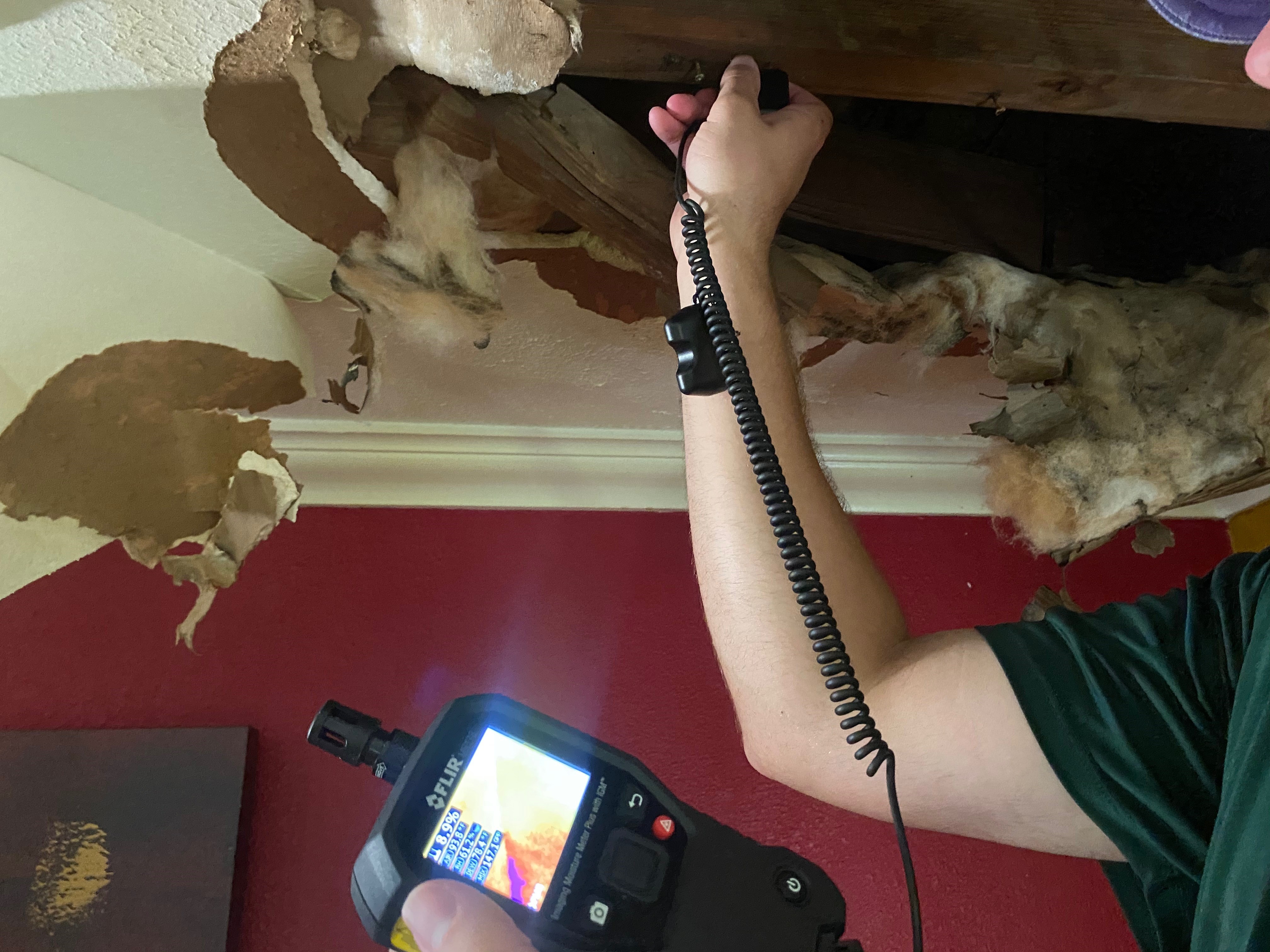
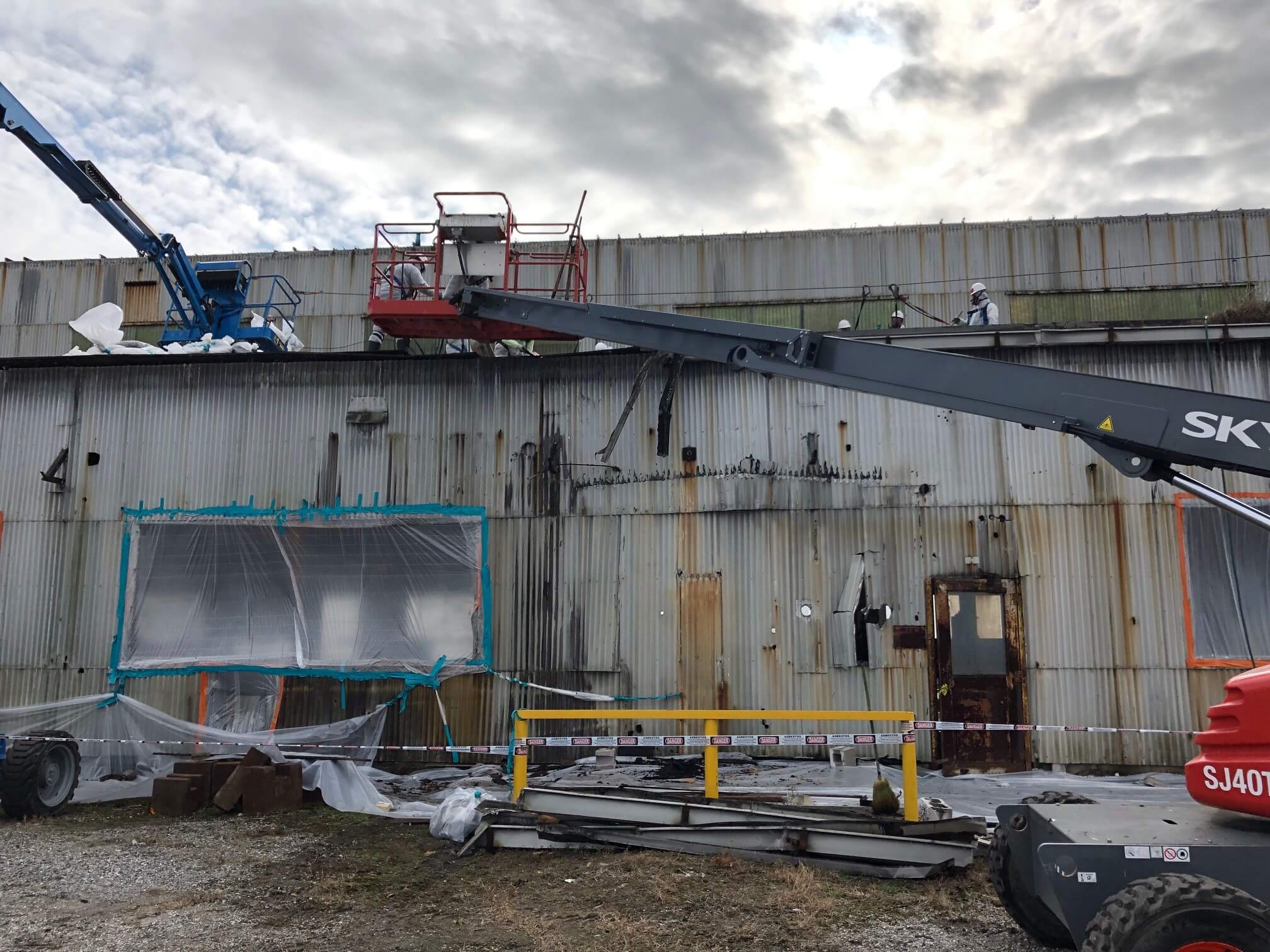
- Asbestos, Lead, and Mold: We provide certified industrial hygiene solutions, inspections, risk assessments, abatement project management, and clearance sampling for asbestos, lead, and mold.
- Indoor Air Quality (IAQ): Our team conducts thorough IAQ evaluations, including industrial hygiene air sampling services, to address concerns related to moisture, mold, radon, and vapor intrusion.
- NORM and PCB Surveying: We perform Naturally Occurring Radioactive Materials (NORM) surveys and Polychlorinated Biphenyl (PCB) caulk assessments to ensure regulatory compliance and worker safety.
Exposure Monitoring and Health & Safety
Protecting your team requires continuous oversight and proactive safety measures. SEMS delivers:
- Occupational Exposure Assessments: We monitor for chemical exposures and physical hazards like noise and non-ionizing radiation to ensure levels remain within acceptable limits.
- Health and Safety Program Development: Our experts assist in developing and auditing OSHA compliance programs, safety protocols, and laboratory health and safety plans.
- Specialized Sampling: We offer services for Legionella testing, respirable crystalline silica, and drinking water analysis to address specific public health concerns.
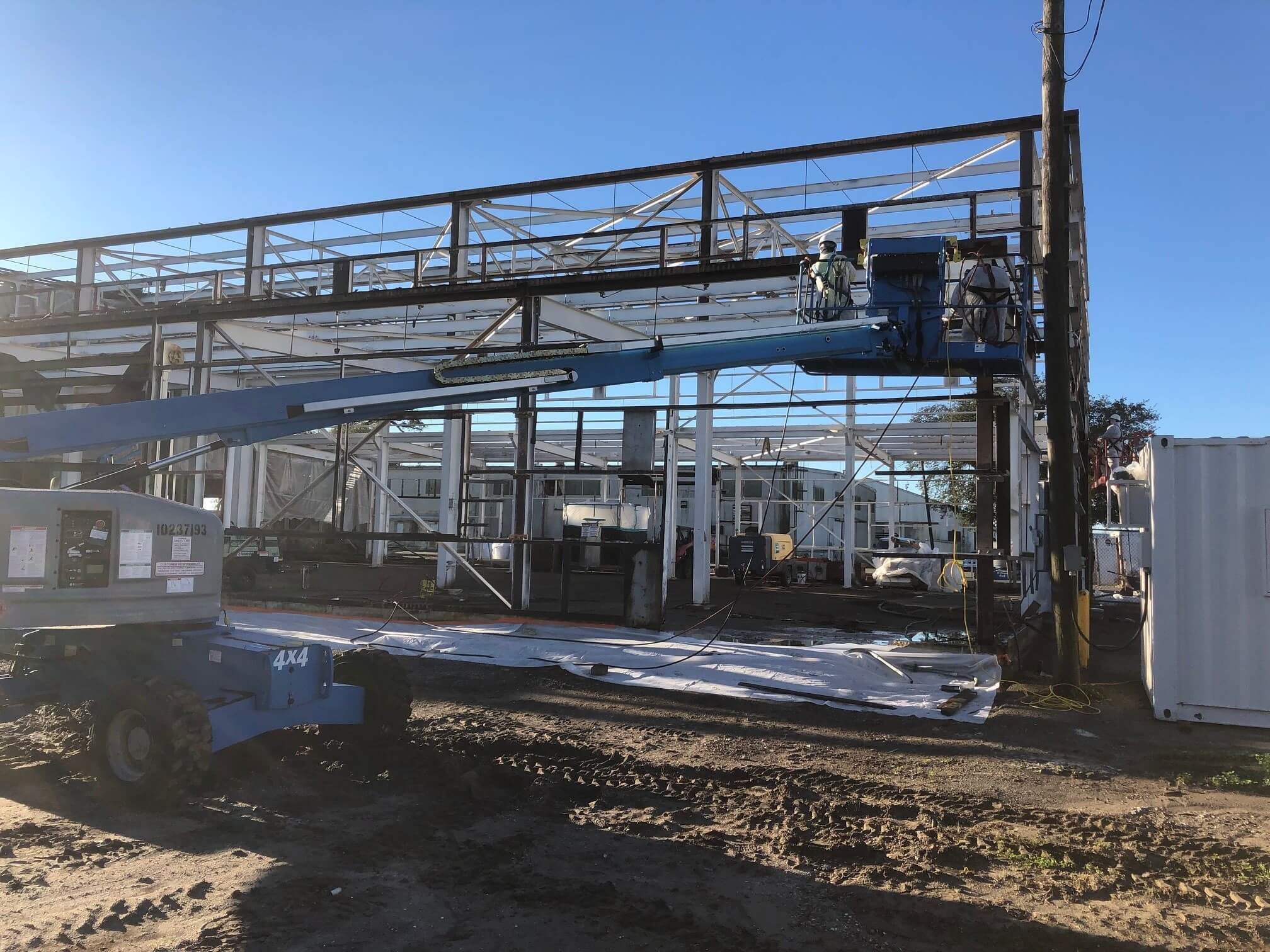
- Hazardous Material Mitigation & Abatement: SEMS provides assessments and turnkey management of asbestos, lead-based paint, mold, PCB caulks, silica, and other environmental hazards commonly found in legacy warehouses, ensuring safe demolition or renovation during warehouse-to–data center conversions.
Why Choose SEMS, Inc.?
Choosing SEMS means partnering with a trusted industrial hygiene company and a leader in environmental and occupational safety. Our commitment to excellence, safety, and regulatory compliance makes us the trusted choice for industrial hygiene consulting services and solutions in the Southeast.
- Unmatched Expertise: Our team includes Certified Industrial Hygienists, Professional Engineers, and certified specialists with decades of experience across diverse industries.
- Regulatory Adherence: We hold certifications in multiple states, and our deep knowledge of federal and state regulations ensures your operations remain compliant.
- Turnkey Solutions: From initial assessment and monitoring to remediation management and safety training, we provide end-to-end solutions that minimize risk and protect your assets.
- Proven Reliability: With a strong track record of successful projects and an unwavering commitment to safety, SEMS has earned its reputation as a dependable partner.
Contact a Leader in Industrial Hygiene
Protect your workforce and ensure regulatory compliance with professional support from SEMS, Inc. Our comprehensive industrial hygiene services are designed to meet the unique needs of your operations. Contact us today to schedule a consultation or request a quote for your project in Texas, Louisiana, Mississippi, or Tennessee.
 1.800.924.SEMS Emergency Response